You walk out of the salon, check yourself in the mirror, and something just isn’t quite right. The haircut looked lovely in the picture; it was perfect for the person who had it, but on you, it isn’t sitting as it should. And that sinking, regrettable feeling? It’s rarely about the cut itself; it’s more about choosing without really having a plan.

Last updated by Hairporium · 24 May 2026
In this guide
Why Most People Choose the Wrong HairstyleThe 5 Core FactorsFace ShapeHair Type and TextureCommon Mistakes to AvoidHair Density & ThicknessLifestyle FitMaintenance LevelsPersonal Style and IdentityStep-by-Step SystemTools, Apps, and Expert TipsAnswering with ConfidenceFrequently Asked QuestionsMost of us pick a hairstyle based on what’s currently in fashion, a passing thought, or just our face shape. The problem is, nobody explains how all of those different things fit together. We’re left to guess, hoping this time the style will actually be ‘the one’.
And if you’ve ever found yourself wondering “what hairstyle suits me?”, then it’s not about luck at all. It’s a handful of important decisions all working with each other, not just a single choice.
This guide breaks it all down into five areas you can actually use: your face shape (the underlying structure of your features), your hair type (what your hair does naturally), and your lifestyle (how much time and effort you’re prepared to put in).
It also includes how much upkeep it will require (how often you’ll style and go back to the salon), and lastly, your personal style — what feels authentically you, and isn’t just something that looks good on someone else. It doesn’t throw a load of ideas at you, but a logical system.
You’ll understand why some styles work, others don’t, and how to choose something that fits into your life, rather than just your image.
By the end of this, you’ll be able to confidently say what hairstyle suits you, and mean it.
Most people don’t fail because of a shortage of hairstyles; they fail because they decide without a sensible way of going about it. When you’re relying on a feeling, even a potentially lovely haircut can be totally wrong.
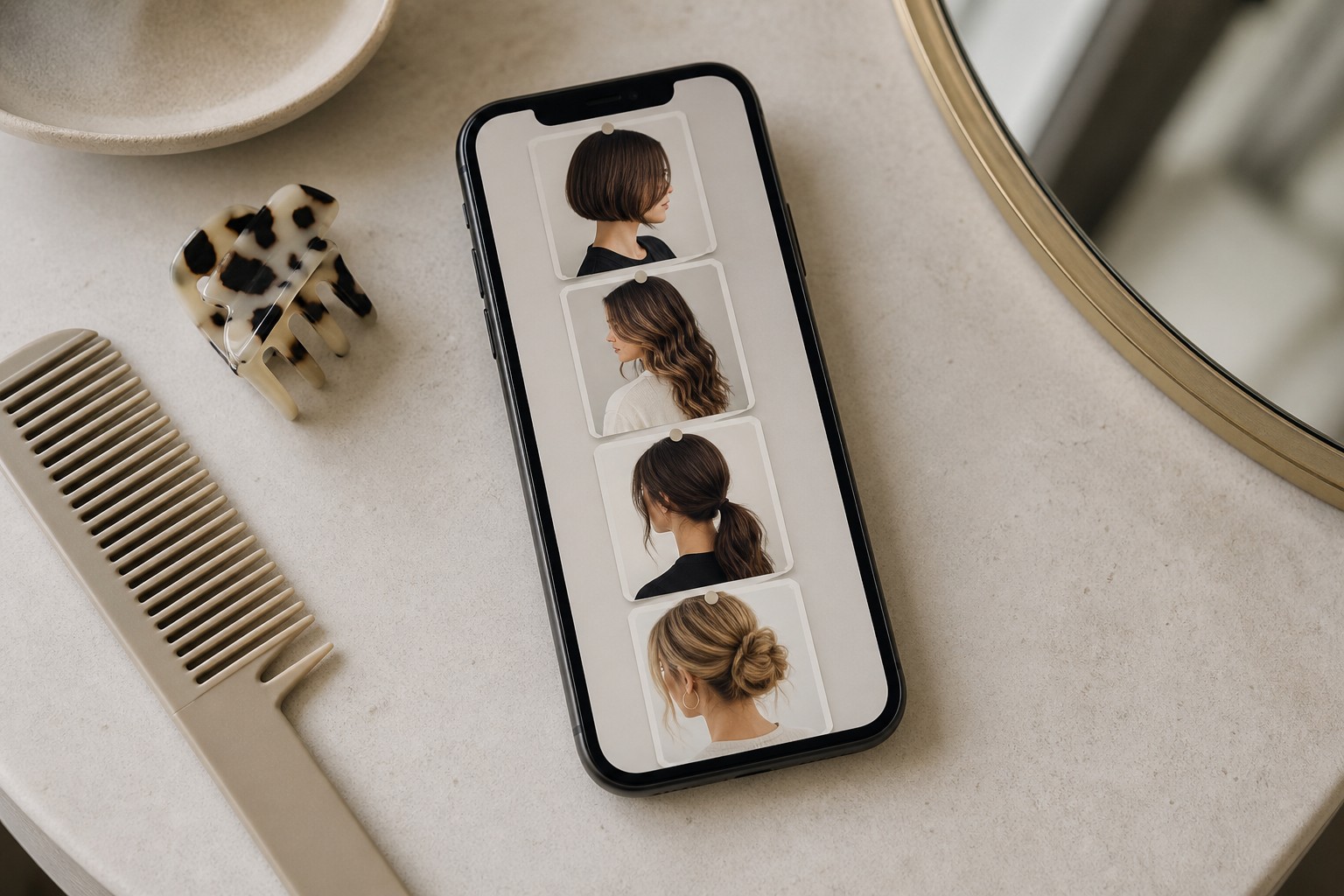
It’s so easy to see something on social media and decide “that’s exactly what I want!” Social media shows these looks as flawless, but they are designed for someone else’s face, hair texture, and lifestyle. What works for them won’t necessarily work for you.
Where things fall apart is copying a style without tailoring it to your features. The length, the layering, the volume, which looks balanced on someone else, could simply be awkward on you.
That’s why so many ‘trendy’ cuts are disappointing after a few days. Think of inspiration as a starting point, not the finished result. Instead of asking “Can I have this haircut?”, ask “How could this style be adjusted to suit me?” That tiny shift in how you think makes a huge difference.
And your hairstyle isn’t a separate thing from your face; it’s a frame for it. Disregarding the shape of your face can make everything look unbalanced. Too much fullness at the sides can make your face look wider, and too much height can make it look longer.
A lot of people concentrate on one aspect they like and base the whole style around that. But too much emphasis on just one thing can create disharmony. A hairstyle should improve your whole face, not only one part of it.
Once you understand your proportions, you’ll begin selecting styles that create balance, instead of fighting against it.
A haircut might be amazing on day one, but what about a week later? This is when most choices start to unravel. Styles that demand a lot of daily attention or frequent salon visits become exhausting quickly if they don’t fit your routine.
Maintenance is more important than many realize. If you haven’t got the time or the inclination to style your hair every morning, a high-maintenance cut won’t last. Your lifestyle is just as important. Work, the weather, and what you do every day all have an impact on how your hair behaves. When your hairstyle works with your routine, it’s easy. When it doesn’t, it’s a headache.
Five vital things need to be considered when you’re choosing a hairstyle. When you think about them all together, it makes choosing much simpler and more accurate.
These are:
face shape (it’s the foundation - how a hairstyle frames your features and adds or detracts from balance)
hair type (your natural texture - straight, wavy, curly, or coiled - determines which styles will actually hold and look good without constant effort)
hair density (thickness changes everything; fine hair needs volume without heaviness, and thick hair often needs shaping to avoid bulk)
lifestyle (your daily routine dictates the limits - a style should fit your schedule, not the other way around)
maintenance (this determines how much effort you’re prepared to put in, from quick, low-effort styles to those needing regular styling and salon visits).
These five work in tandem. Concentrating on only one – like face shape or a trend – usually yields unpredictable results. But when you consider them all simultaneously, you move beyond guessing and begin making choices that genuinely work.
The simplest way to find your face shape is with a mirror and tracing. Stand in front of a mirror, pull your hair back, and use a washable marker (or even your finger) to trace the outline of your face. Step back and look at the overall shape. You’re not aiming for perfection, just a general idea.
Alternatively, measure the width of your forehead, cheekbones, and jawline, as well as the length of your face from forehead to chin. Looking at the proportions of your face — how wide or long different areas are — will give you a much better feel for your overall shape.
A frequent error is to get hung up on tiny details; people often overcomplicate things by imagining their face is a collection of shapes, when actually, most faces very clearly fall into one main category. And when checking, don’t judge by how you’re pulling a face or an expression - make sure your face is completely relaxed. Once you know your face shape, you don’t want to hide it, but to find a hairstyle that harmonizes with it.
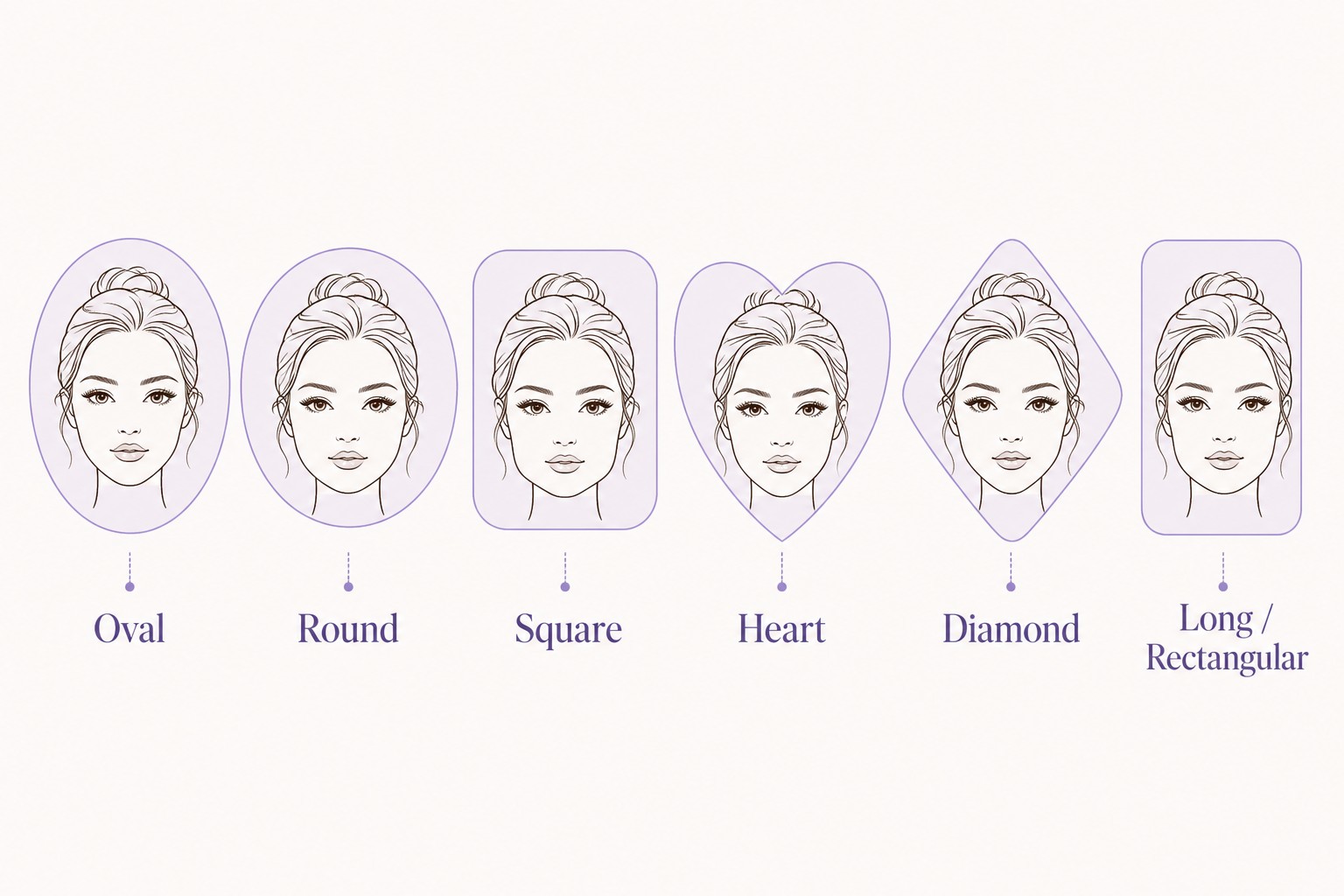
If you’re trying to work out “what hairstyle suits me?”, your face shape is the place to begin. It offers a clear structure and helps you understand why certain styles feel right and others don’t. Once you know your shape, you can select styles that create balance instead of fighting your features.

An oval face is generally considered the most balanced of all shapes. It’s a little longer than it is wide and has a gentle, rather than a strong, jawline. Because it’s already nicely in proportion, most haircuts suit it. You can play with length, layers, and how textured your hair is, without needing to worry too much about whether it will work.
Short styles, long layers, and even quite bold looks usually look great. The only thing to be careful of is adding too much volume on top, which could make your face appear even longer. Keeping the proportions balanced will allow you to take advantage of this naturally adaptable shape.
A round face has soft curves and is pretty much the same width and length. The idea is to create the impression of length and a bit of definition. Hairstyles with volume at the crown of your head are good because they visually lengthen the face. Also helpful are layers that fall below your chin, giving a more sculpted appearance.
It’s best to steer clear of anything that adds a lot of bulk at the sides, as that will make your face appear wider. Smooth, straight looks or soft layers that fall around your face can create a more pleasing balance without adding extra width.
A square face is characterized by a strong jaw and a wide forehead, with fairly defined angles and a fairly bold, structured look. With this shape, the goal is to soften those strong lines. Haircuts with layers, waves, or movement will soften the edges and make the overall effect smoother.
Avoid cuts that end exactly at your jawline - they’ll just accentuate the angularity. Instead, go for styles that are a little bit longer or shorter than your jaw to break up the shape and add some flow.
Heart-shaped faces are wider at the forehead and get narrower towards the chin. This makes the top of the face look heavier and requires some balancing. Hairstyles that add volume around the jaw or chin will help to even things out.
Soft waves or layers around the lower face are particularly effective. Avoid too much volume on top of your head, as it will make your forehead look even wider. Focusing on volume lower down will create a more balanced and natural effect.
Diamond faces have a narrow forehead and jawline, but wider cheekbones; the cheekbones are the most noticeable feature. The trick is to show off those cheekbones without making the face seem too narrow. Styles that add width at the forehead or jawline will help to achieve this. Avoid very sleek or flat hairstyles that lie close to the head, as these will emphasize the narrowness. Instead, pick styles that add a little softness and volume where it’s needed.
Long or rectangular faces are significantly longer than they are wide. The aim here is to make the length less obvious and to add width. Hairstyles that create volume on the sides are effective as they make the face appear fuller.
Layers, waves, or even a fringe can break up the length and provide balance. Avoid adding too much height on top, as that will make the face look even longer. Volume distributed around the sides will help to create a more balanced and flattering look.
The Hairporium AI Stylist considers your face shape, hair type, lifestyle and budget to recommend the right hairstyle for you. Free, no account needed.
Get my hairstyle recommendation →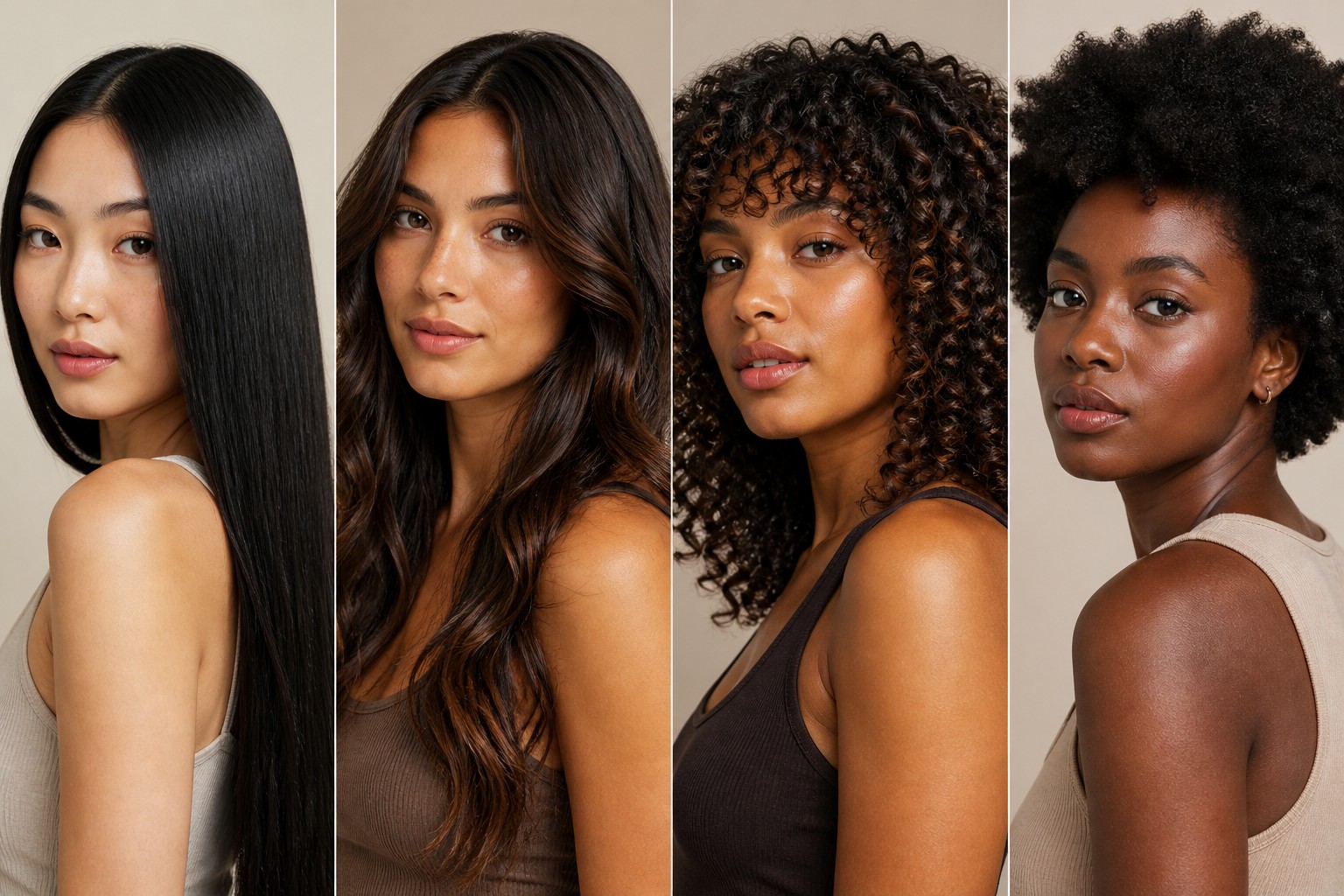
Straight hair is smooth and sleek, making it ideal for clean, polished styles. It bounces light beautifully, so a sharp cut with a distinct outline really shows. Blunt cuts, long layers, and simple styles work best, as they emphasize the natural shine. The main problem with straight hair is that it can be flat. Without natural movement, it can look lifeless, especially if the cut lacks structure.
Layering is where you can make a difference. Soft layers can give the illusion of volume without making the hair look thin. Another thing to be mindful of is heaviness at the ends. If straight hair is all one length, it can drag the whole look down. Adding shape will keep it in balance, so you retain the sleekness but add just enough movement to avoid a flat finish.
Wavy hair is between straight and curly, and has a natural advantage when it comes to volume and movement. It already has shape, so many styles look more relaxed and fuller with minimal effort. Layered cuts are great for this texture as they enhance the natural wave pattern. Styles where the waves can fall freely tend to look more natural and are easier to manage.
The biggest problem with wavy hair is frizz. Waves can lose their definition or become uneven depending on the weather. Choosing a style that works with your wave pattern, instead of trying to straighten it or style it too much, makes a massive difference. A slightly textured cut helps the waves to sit better, and when it’s done right, wavy hair can give you a relaxed, full look without needing a lot of styling every day.
Curly hair boasts a lovely, natural bounce and fullness, but without a good cut, it can get poofy or oddly shaped. The most important thing is how it’s cut. Without shaping, curls can fly out in all directions and become a bit of a handful. Lots of layers are a huge help; they distribute the volume nicely and give curls a definite form instead of that triangular, weighty look. When properly layered, curls will fall as they should, yet still look neat. Length also matters.
Very short cuts can make curls more tightly wound and small, while longer lengths allow a little stretch and a better overall hang. How your curls behave will tell you what’s best. The idea isn’t to completely tame the curls, but to gently guide them. Get the shape right, and curly hair becomes surprisingly easy to deal with, already having all that body and personality.
Now, coily hair is all about those tight curls or spirals, and it’s wonderfully dense and prone to shrinkage. Shrinkage simply means the hair seems much shorter than it actually is when it’s dry, and this really affects how a style will look. Because of shrinkage, deciding on a length needs careful consideration.
A cut that looks long enough while wet will be noticeably shorter once it’s dried. Think this through to avoid surprises. Protective styles are often a really sensible option for coily hair, lessening daily manipulation and keeping it healthy while still letting you have different looks.
Coily hair already has a lot of volume, so shaping is more crucial than adding fullness. A good cut concentrates on the structure and balance, making the hair easier to manage and celebrating its inherent strength.
A hairstyle might look amazing on a celebrity, but their face shape, hair type, and the work they put into styling it are all different. Simply copying a look without adapting it to your own features almost never works.
Forcing your hair into a style it’s not suited for means a constant battle. If your natural texture doesn’t go with the style, it won’t hold without a lot of effort, day after day.
Loads of people choose a style without considering the effort involved. A cut that needs daily styling or regular trims isn’t going to work if you can’t keep up with it.
Not being clear about what you want can, and often does, result in you getting something entirely different. Pictures of hairstyles you like are useful, but it’s equally important to discuss if a style will actually work with your hair.
And don't just dive into a big hair change without trying it out first - you could end up disliking it. Little changes to your hair or trying it out temporarily will show you what's going to be flattering before you do anything permanent.
In-depth guides for every hairstyle decision — by face shape, hair type, and lifestyle.
What Hairstyle Suits My Face Shape?How to Choose the Right Hairstyle for Your FaceBest Hairstyles for Round FacesBest Hairstyles for Oval FacesBest Hairstyles for Heart-Shaped FacesBest Hairstyles for Square FacesBest Hairstyles for Diamond Face ShapesLow Maintenance Hairstyles for Everyday LifeBest Hairstyles for Busy ProfessionalsHair density is how much hair you have on your head, and thickness is how wide each individual strand is. Both of these impact how a style will appear and feel. Fine hair tends to lack volume. Heavy styles will make it look even flatter, so lighter cuts with understated layers are better. The trick is to build a little lift without taking out too much hair. Thick hair has the opposite problem.
It can be bulky and difficult to control if it isn’t cut properly. Removing weight with layers or texturizing helps it to sit better and feel less heavy. It’s all about getting the weight and volume in harmony. Too much weight and the style will be pulled down, too little and it will look unbalanced. When the cut suits your hair’s density and thickness, it will all fall into place more easily.
And finally, the most sensible part of picking a hairstyle? How does it fit your life? A stunning hairstyle is only good if you can actually live with it day to day. It might look amazing in a picture or fresh from the salon, but if it clashes with your usual routine, it won’t stay that way. A good choice should be simple to manage, not a daily battle.

Be realistic about how much time you’ll spend doing your hair each day. Some styles demand regular blow-drying, heated tools, or lots of product to look good. Others are pretty much ready to go with hardly any effort.
If you’re in a rush in the mornings, a style needing 30 minutes isn’t going to happen. But if you enjoy styling and aren’t bothered by the work, you can choose something more elaborate. The point is to match the style to what you really do, not what you’d like to do. A style that fits your schedule will actually be kept up properly and, as a result, will look better over time.
And your work and social life are also important factors when deciding on a hairstyle. What you’re expected to look like at work varies hugely from one place to another, and a style that suits the atmosphere will just help you feel more at ease and sure of yourself all day.
And your social life is part of this too - if you’re out and about a lot or like to change how you look often, a hairstyle that can do lots of different things is a good shout. Ideally, your hair should fit around how you live, not the other way around, and make things harder.
The weather really does have more of an effect on your hair than you’d think. Humidity causes frizz, heat makes hair limp, and wind messes up anything carefully put together. If you’re in a humid climate, anything needing to be completely smooth is going to need a lot of fixing.
And in warmer weather, lighter, more natural styles tend to hold their shape for longer. Rather than battling the weather every day, choose a style that goes with it. When your haircut is on the side of how it naturally responds to the climate, it’s easier to manage and will keep looking good for longer.
More than trends, what you do each day should be the main thing influencing your choice. If you exercise a lot, travel a lot, or generally are on the go, you’ll want something that stays put and isn’t a headache to deal with. Styles that are loose or need a lot of work will just be annoying if they fall apart when you move.
Much more sensible are cuts or styles you can tie up or quickly adjust - they make your day-to-day a lot easier. Think about how your hair needs to behave during your day, not just how it looks when you’ve finished doing it. A style that fits your routine will feel better, and that confidence will show.
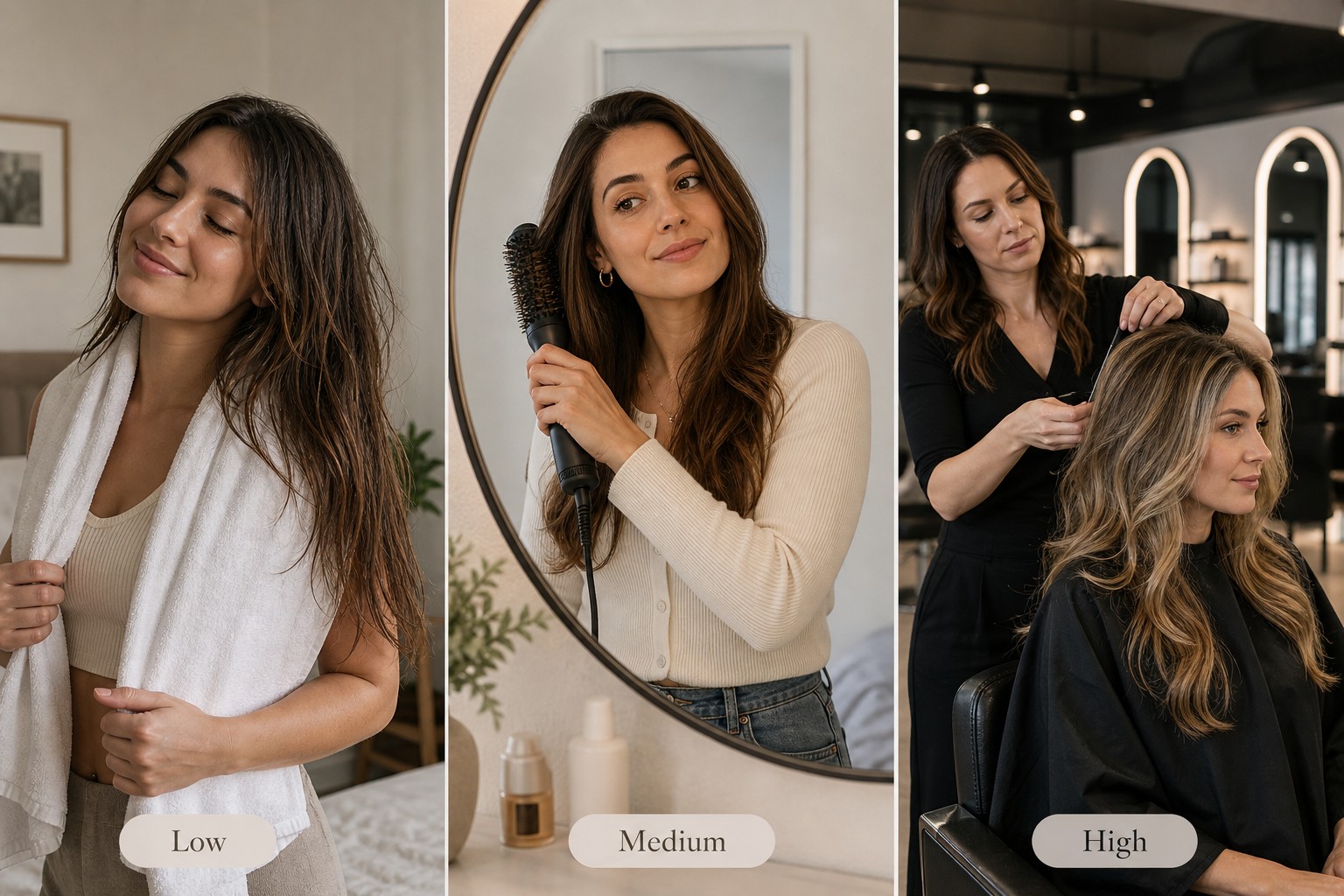
Low-maintenance styles are meant to work with your natural hair, not against it. These cuts don’t need hot styling tools every day or loads of products. They usually grow out nicely, meaning fewer trips to the hairdresser and less stress about keeping them perfect.
Simple layers, lengths that are fairly natural, and styles that suit your hair’s texture are all in this category. You wash it, dry it, and go, without spending ages fiddling with it. They’re perfect if you’re busy or prefer something relaxed. The good thing is you generally look good, not just when it’s been done. The point isn’t being flawless - it’s being easy and dependable.
Medium maintenance styles are in the middle. They don’t need daily attention, but they do need a little something to look their best. You might need to style it a few times a week or use simple tools to hold the shape.
These often have more defined layers, are longer, or have a shape that needs a bit of styling to stay. They give you more control over your appearance without needing a huge time commitment. This is a good option if you’re happy to put a little effort in but don’t want something that’s always demanding your attention. It’s flexible - you can style when you want, but it still looks okay on the days you don’t.
Hairstyles that are ‘high maintenance’ absolutely require regular styling, and lots of it, to look their best. These cuts are often built on very specific shapes, incredibly smooth finishes, or lots of carefully done layers - and they won’t hold those looks by themselves. You’ll probably need to style with tools every day, use products all the time, and get to the salon more often to keep everything looking as it should.
They can be very polished, certainly, but you have to want to put in the effort. They really are for people who love to do their hair and don’t mind spending the time on it. If you aren’t consistent, the shape will quickly fall apart, and this level of fuss only works if it fits into your life.
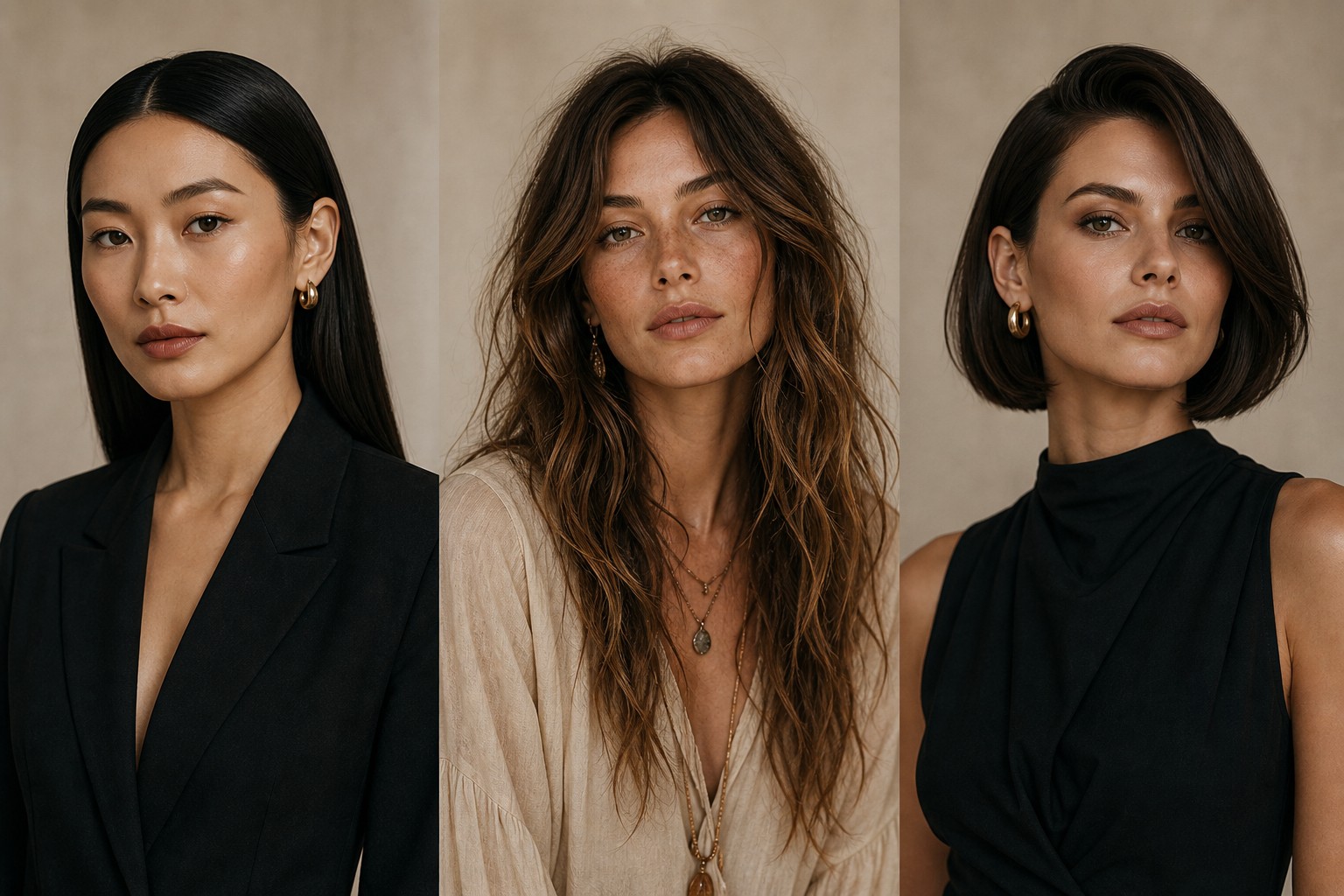
Your hairstyle is a part of the image you put out to the world. Some of us like neat, uncomplicated styles, others enjoy more movement, or even really striking, bold shapes. There’s no correct answer; it just depends on what feels well for you. If you’re a generally relaxed person, a really tightly structured cut might feel too rigid.
And if you usually go for a sharp, sleek aesthetic, something messy might just not be right. The aim is to choose something that feels like it’s part of your personality, so you don’t end up feeling as if you’re pretending to be somebody else. When your hair reflects your personality, it’s easier to wear and feels much more natural.
Trends come and go quickly, but your hairstyle should outlive the season. It’s perfectly okay to get ideas from what’s popular, but it’s much better to go for something that will still suit you in the long run. Age shouldn’t restrict your choices, although it can affect what feels right or comfortable.
Concentrate on what looks good on you now, not what you used to do, or what everyone is doing online. A sensible middle ground is best: use trends as inspiration, not strict rules, and always choose something that’s practical and will last.
Some people like to play it safe, others like to experiment. Both are fine, but it’s helpful to know which one you are. Daring styles can make a statement and be really invigorating, but they generally need more confidence and more work.
Simpler styles are easier to manage and tend to remain consistent. You don’t need to go to extremes, though. Small adjustments can freshen up your look without huge risks. The important thing is to pick a level of change that you’re comfortable with.
Here’s a straightforward way to make a sensible decision, a way to choose carefully and in stages instead of just guessing.

First, work out your face shape. Knowing this is your foundation, showing you what balance you need, and giving you a direction for looking at styles.
Then, look at your hair’s natural texture - is it straight, wavy, curly or coily, and how does it behave day to day? This stops you from choosing a style that will simply fall flat.
After that, consider how you live. How much time do you have for your hair? What’s a typical day like for you? Your hairstyle needs to fit into your life without being another source of stress.
And then decide how much work you’re willing to put into your hair - be honest. Choosing a manageable level of upkeep will keep your hairstyle looking good for the long haul.
Now, connect all of that to your personality. Pick a style that feels like you. This is what brings the whole look together.
Before you commit to a dramatic change, give the idea a test run. You can experiment with simple styling or use apps to get an idea of how a style will look on you. Changing your parting or adding a bit of volume is a temporary way to ‘try before you buy’ - and it’ll make you much more certain of your decision, reducing any chance of regret.
You don’t need to just make it up as you go along. A few simple tools and strategies can really simplify the decision.

Lots of apps let you upload a photo and ‘try on’ different hairstyles. They aren’t perfect, of course, but they do give you a general sense of how something might suit your face. Use them to get the number of choices down, not to make the final call.
A good hairdresser can give you advice based on your face shape, hair type and your lifestyle. The important thing is to be clear with them. Tell them what your day is like and what you expect from your hair, and they can recommend something that is practical for you.
Reference photos are good, but use them smartly. Find pictures of people with similar hair texture and face shape to your own. This makes it easier to adapt the style to you instead of just making a direct copy.
Finally, to confidently answer the question “What hairstyle suits me?”, it’s not about being lucky. It’s about understanding what will work, and why. When you look at face shape, hair type, lifestyle, how much effort you’re willing to put in, and your personality all together, the answer becomes much clearer.
You’ll then start making choices that suit both your routine and your overall look. And that’s how you confidently decide what hairstyle suits you. Don’t rush, think about each element, and choose what feels good. A great hairstyle isn’t just something that looks good; it’s something that fits in with your life, every day.

Start with your face shape, then layer in your hair type, lifestyle, maintenance tolerance, and personal style. When all five align, the right hairstyle becomes obvious rather than a guess.
It’s the most important structural factor — it shows you what balance you need and which cuts will frame your features well. But face shape alone isn’t enough; hair type and lifestyle matter just as much.
Use trends as a starting point, not a rulebook. The better question is: how could this style be adapted to suit me? Adjusting the length, layering, or volume to your features makes all the difference between a style that works and one that doesn’t.
Lighter cuts with soft layers work best - they build lift without removing too much hair. Avoid heavy, blunt one-length styles which drag fine hair flat and emphasize its lack of volume.
Be honest about how much time you’ll spend on your hair each day. If you’re busy in the mornings, a style needing 30 minutes of daily styling won’t last. Match the maintenance level to your actual routine, not your ideal one.
Continue exploring the other Hairporium guides covering wigs, extensions, maintenance, lifestyle, hair problems, and our decision engine.
How to Choose the Right WigHair Extensions GuideHair Maintenance GuideLifestyle Hair GuideHair Problems GuideHair Decision EngineThe Hairporium AI Stylist analyses your face shape, hair type, lifestyle and budget to give you a personalised hairstyle recommendation. Free, no account needed.
Takes 2 minutes. Free. No account needed.