Hair Extensions
Having thin hair presents a unique challenge with extensions — you're not simply aiming for length or volume, but achieving those things without a feeling of heaviness, weakness, or difficulty styling. The best options aren't the fullest looking; they're the lightest feeling, the most natural in their blend, and won't drag on your roots.
Get Your Personalized Hair Plan →By the Hairporium Editorial Team · 29 June 2026
In this guide
What thin hair can handleBest hair extensions for thin hairExtensions to be careful withGetting a natural blendSmall details that matterMaintenance and careConclusionFrequently asked questionsHaving thin hair presents a unique challenge with extensions - you're not simply aiming for length or volume, but achieving those things without a feeling of heaviness, weakness, or difficulty styling. Many people just assume any extension will do, and that's often where problems start.
Thin hair responds in its own way; it can't cope with a lot of weight, and if the extensions are too heavy or aren't put in correctly, they'll strain your scalp and, over time, could even cause breakage.
Because of this, the 'best' extensions aren't necessarily the fullest looking; they're the lightest feeling, the most natural in their blend, and won't drag on your roots. This guide will look at the options that actually work for thinner hair and explain why some are much better than others.
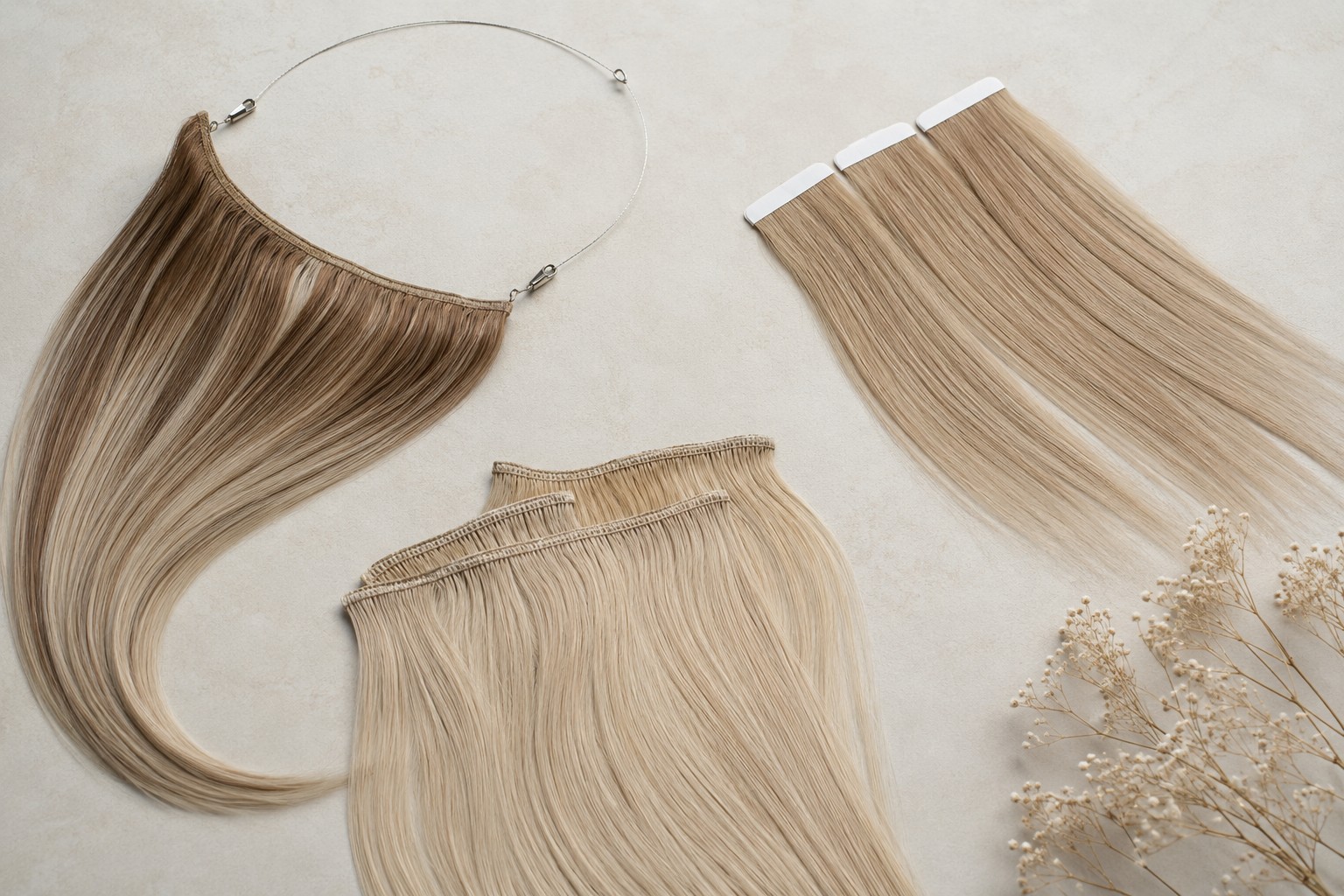
To understand what extensions thin hair can actually handle before you choose, remember this: thin hair is more easily damaged, and doesn't do well with weight or being pulled. Heavy extensions can make your scalp uncomfortable and eventually cause damage by tugging on the roots.
So, the emphasis should always be on extensions that are light in weight, distribute that weight evenly, and don't grip or pull too tightly. The idea is to get more volume without your own hair being overwhelmed.
For thin hair that really works, consider these lightweight hair extensions:
Halo hair extensions are among the safest. They sit on your head with a nearly invisible wire, instead of being attached directly to your hair. This means almost no tension at the roots - perfect for fine or fragile hair - and they're easy to put in and take out, a simple, low-effort option. If you like uncomplicated and lightweight, this is a fantastic place to begin.
Tape-in extensions are also a good bet. They lie flat against your scalp and are very light, helping them to blend beautifully and avoid adding too much strain. They do require a professional to put in and maintain, but when done correctly, they’re comfortable and look very natural.
Hand-tied extensions are cleverly made to spread weight evenly throughout the hair. They’re attached with small beads and carefully sewn in, which creates less tension than heavier methods. This makes them a good choice for something more lasting, without overly stressing your thin hair.
Lightweight clip-ins can work, but they absolutely must be lightweight. Heavy clip-ins will pull and can be uncomfortable, particularly if you wear them all the time. Lighter sets or smaller sections will add volume where you need it, without causing strain, and are best used for now and then, not every single day.
Not all extensions are a good match for thin hair; some can do more harm than good. Sew-ins, for example, need a strong section of hair to braid to, and thin hair often doesn't have that.
Fusion or bonded extensions are often too heavy and involve heat or glue, which might not hold well in finer hair.
Microlinks and similar techniques create tension as they tightly attach to small sections of hair. These aren't always a bad idea but need to be approached with a lot of care, especially with delicate hair.
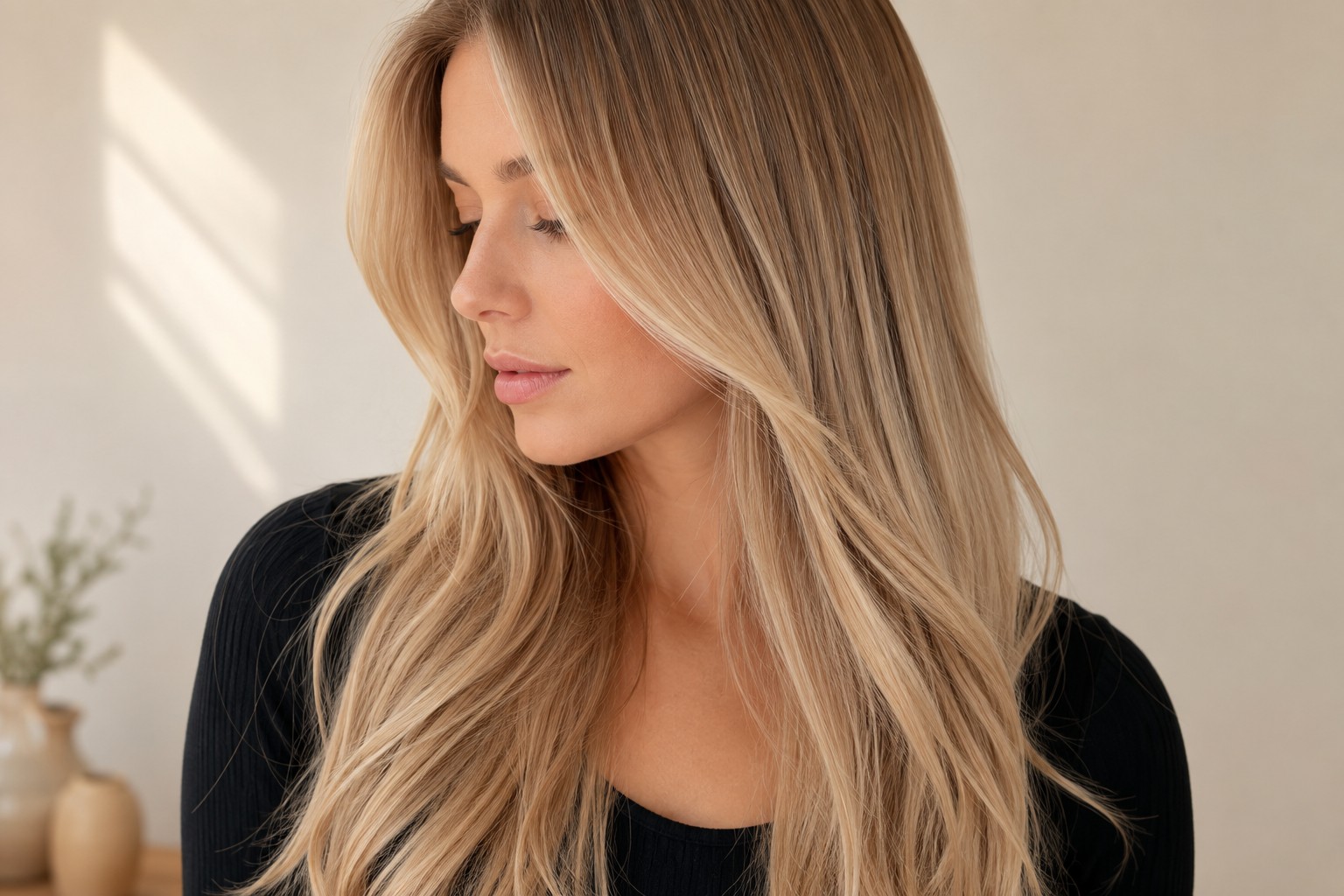
Even the best extensions for thin hair won't look good if they don't blend in. And the most important things for blending are: a very close match to your natural color, choosing the right thickness (not too much!), and keeping the length believable.
Going drastically longer or thicker too quickly will make the difference between your hair and the extensions obvious. It’s the blending, not just the type of extension, that makes the result look real.
And then there are the little details that surprisingly matter a lot. Opt for lighter wefts instead of a full, heavy set. Position the extensions where your hair is strongest. Steer clear of the hairline at the front, as that’s where your hair is usually at its weakest.
Don't use too many sections. Even good extensions can feel awful if they aren't used thoughtfully.
Looking after thin hair with extensions requires a consistent, gentle routine.
Brush carefully to avoid pulling at the roots.
Wash regularly but not excessively, and use lightweight products to prevent build-up. Temporary extensions (halos or clip-ins) are easier because you can remove them each day.
Semi-permanent options need a little more attention to remain natural-looking and secure.
The better you look after them, the longer they’ll last and the healthier your own hair will remain.
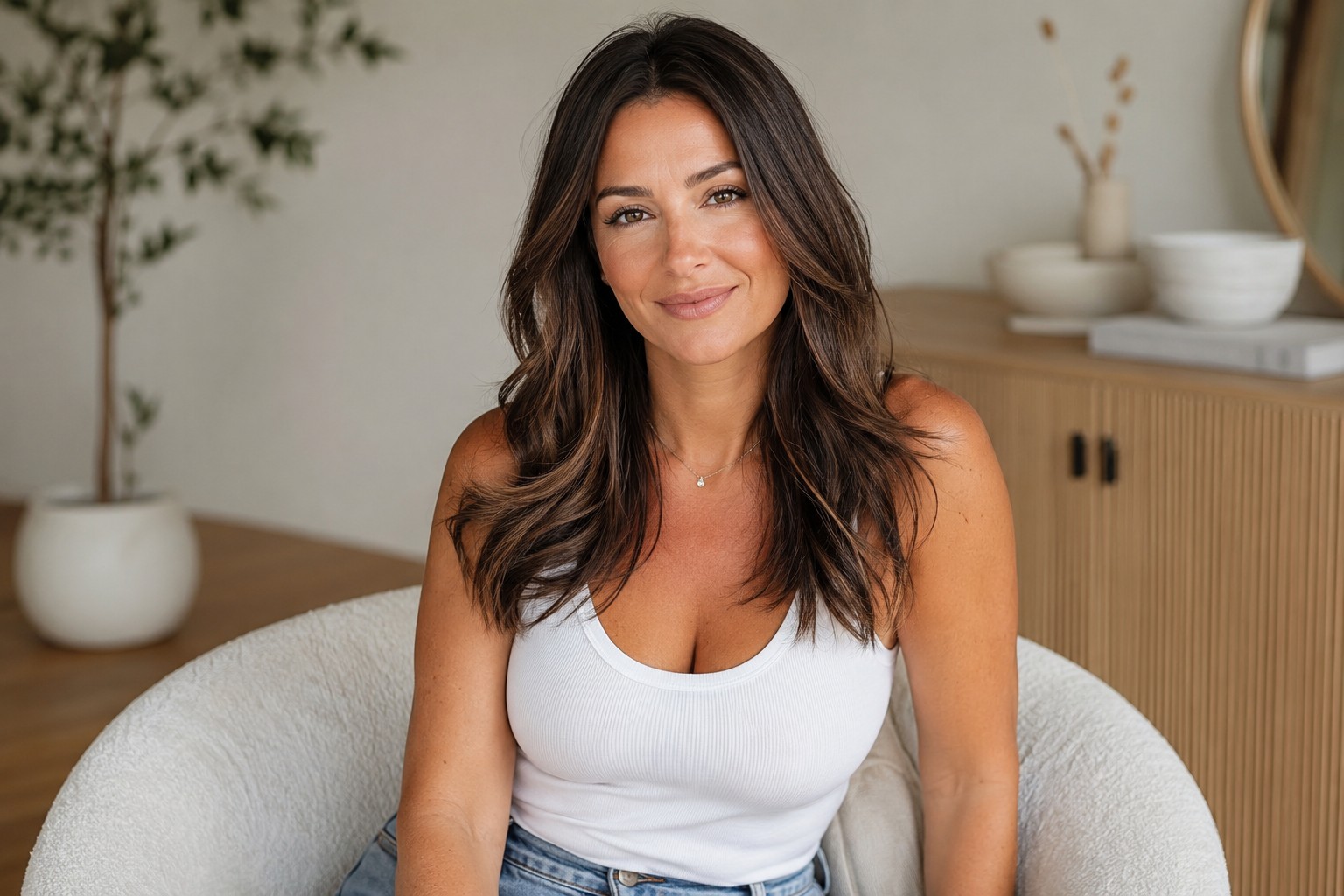
Ultimately, the best hair extensions for thin hair are those that feel light, blend seamlessly, and don't put any stress on your roots. Halos, tape-ins, and hand-tied extensions are usually the safest and most sensible options. Lightweight clip-ins can also work with care.
The trick isn't to go for the thickest or longest, but for what your hair can comfortably manage. When the weight, method, and style are all in harmony with your natural hair, extensions will feel like a natural extension of your look and not a risk.
The Hairporium AI Stylist factors in your hair type, lifestyle and budget to give you a personalised extension recommendation.
Find your style free →Halo extensions, tape-ins, and hand-tied extensions are usually the safest choices for thin hair because they are lightweight and spread weight evenly. Halos in particular sit on a wire with almost no root tension. Lightweight clip-ins can also work if you keep the sets small and wear them occasionally rather than every day.
They can if the wrong type is used or they are fitted incorrectly. Heavy extensions, or methods that grip small sections too tightly, put strain on already fragile roots and can lead to breakage over time. Choosing lightweight options, avoiding the weaker front hairline, and not overloading with sections keeps the risk low.
Lightweight clip-ins can be a sensible choice for fine hair because you remove them each day, so there is no constant tension on your roots. The key is to keep them genuinely light — smaller sets or fewer sections — and to use them now and then rather than wearing heavy clip-ins continuously.
Be cautious with sew-ins, fusion or bonded extensions, and microlinks. Sew-ins need a strong braid base that thin hair often can't provide, fusion and bonded methods tend to be heavy and rely on heat or glue, and microlinks create tension on small sections. None are automatically off-limits, but they need real care with delicate hair.
Blending matters more than the method. Match the extensions closely to your natural colour, keep the thickness and length believable rather than jumping dramatically longer or fuller, and position them where your hair is strongest. A close match and a realistic amount are what make the result look like your own hair.
Hairporium AI Stylist analyses your hair type, lifestyle and budget to recommend the lightest, most natural extension method for you. Free, no account needed.
Start your free AI hair consultation →Takes you to hairporium.ai — free, no sign-up required