The appeal of hair extensions is easy to understand: instant length, more fullness, easier styling, and a look your own hair might take months or years to grow into. What’s less obvious is whether they’re a good idea for your hair.
Get Your Personalized Hair Plan →
Last updated by Hairporium · October 19, 2026
In this guide
Why people get hair extensions in the first placeWhen hair extensions usually make senseWhen you should probably waitQuestions to ask before you bookHow to make extensions saferFrequently asked questionsThat’s where most people pause. It isn’t just about how good extensions will look. It’s about whether they suit your hair type, how they fit your routine and budget, and how much effort you’re willing to put into looking after them.
Even good extensions can be a mistake if they’re too heavy, need more attention than you can give, or are fitted into hair that’s already fragile. Dermatologists warn that extensions and weaves can damage your natural hair — and even cause traction alopecia — if they pull too much or are fitted incorrectly.
So rather than asking “Should I get hair extensions?” in general, a better question is: “Should I get them right now, and will they do more good than harm?” This guide will help you answer that.
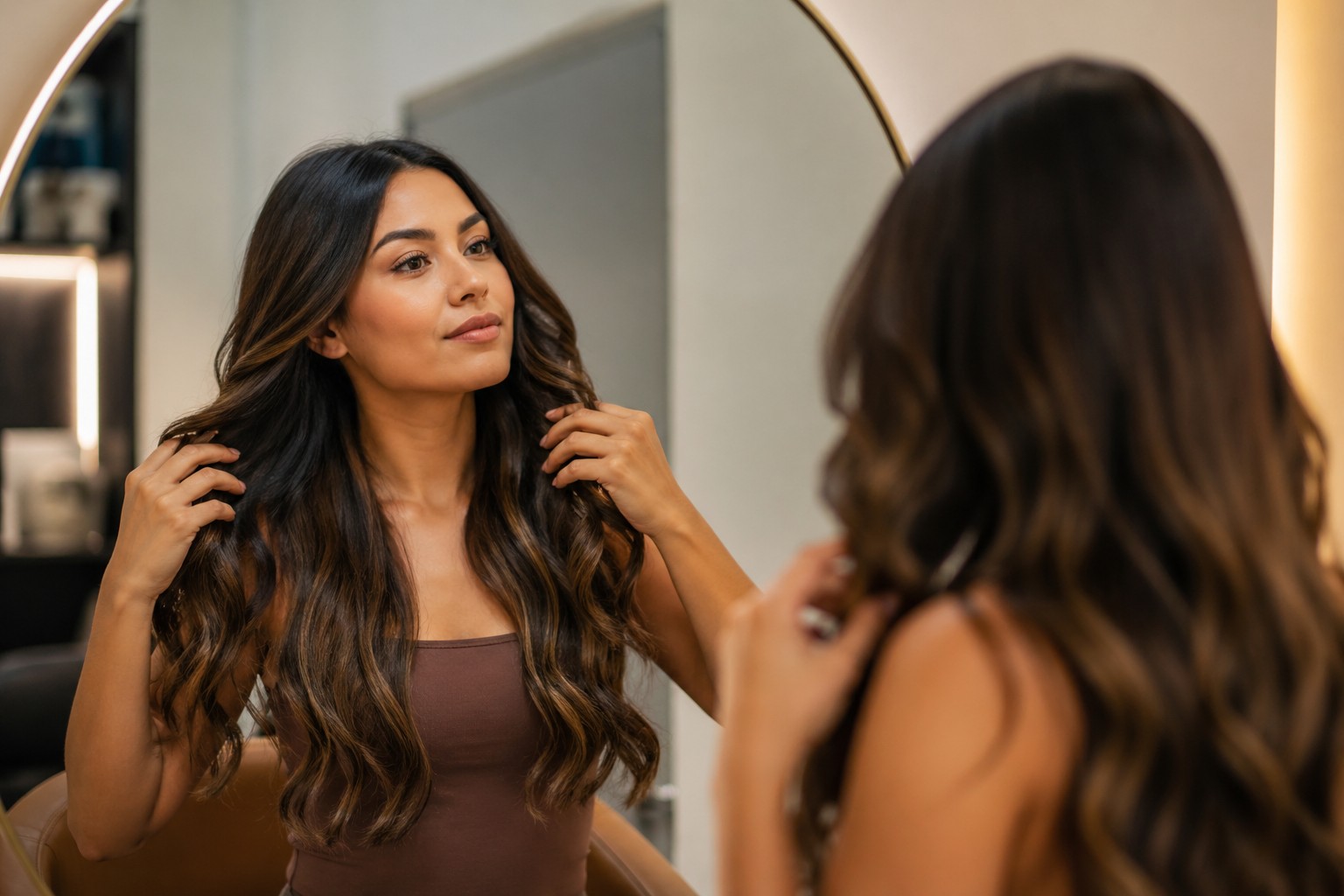
Most people get extensions because they want longer or thicker hair, hair that’s easier to style, or a quick transformation instead of waiting for their hair to grow.
There’s nothing superficial about that — it’s perfectly sensible. If your hair grows slowly, always falls flat, or simply won’t do what you want, extensions can fill the gap.
They’re also great for special occasions, photos, weddings, or any time you want a completely different look without a long-term commitment. It isn’t just about the look itself; it’s about getting it straight away rather than after months of growth.
Problems start when extensions are treated as something you just throw on. They aren’t. They add weight, they need looking after, and if you don’t choose them carefully, they can pull on your scalp and natural hair.
The American Academy of Dermatology recommends choosing lighter extensions, having them fitted by a professional, keeping your scalp clean, and not wearing professional extensions for long periods without a break.
Extensions can be great — but only if what you want from them outweighs the effort they’ll take.
Extensions usually make sense if your natural hair is in reasonable condition and you have a clear idea of what you want. If you’d like a bit more volume, some extra length, or thicker-looking hair for a while, they could be a great option.
They also work best when you’re not expecting a total overnight transformation — the best extensions are designed to blend with your hair, not replace it.
If you enjoy doing your hair and don’t mind a bit of work, that’s another point in their favor. Some people genuinely enjoy the process and are happy to brush carefully, wash gently, keep up with maintenance appointments and adjust their haircare products. For them, extensions are simply part of their routine, not a chore.
It’s also a good sign if your expectations are realistic. Extensions won’t fix split ends, stop hair loss or repair a receding hairline. They’re for enhancing hair that’s already fairly healthy, not rescuing hair that’s struggling.
Importantly, dermatologists recommend getting your natural hair strong and healthy before having extensions fitted — and continuing to care for it after they’re removed.
If your scalp is inflamed, you’re shedding a lot of hair, or your strands are fragile, extensions are generally a bad idea — the extra weight will only add to the problem. If your scalp aches when you tie your hair back, your hair snaps easily, or your hairline is thinning, extensions are likely to make things worse. Over time, constant pulling can lead to traction alopecia, and that hair loss can become permanent.
And if you prefer a hairstyle that asks very little of you, extensions may not be the right choice.
They’re rarely something you can get and forget, especially salon-fitted extensions. Even if they seem easy, you’ll almost always need a fairly involved routine to look after the hair underneath.
Cost is another good reason to wait. You’re not just paying for the first appointment, but also for maintenance visits, replacements, specialty shampoos and conditioners, and eventually removal.
If you already suspect you won’t keep up with the maintenance, that’s a big clue. Extensions are satisfying when you’re prepared for the upkeep — not when you’re hoping they’ll somehow be low-maintenance.
Extensions are one option among many. The Hairporium AI Stylist factors in your hair type, lifestyle and goals to give you a personalized answer.
Find your style free →A little thinking before you book goes a long way. First, is your hair in good condition? Be honest — if it isn’t, focus on getting it healthy first. Next, do you want extensions for everyday wear or for a one-off look? Your answer will determine which type is best. And what about ongoing care? If you’re not up for regular appointments and maintenance, temporary extensions — or skipping them altogether — may be better.
It’s also worth asking why you want extensions. Is it because you love the idea, or because you’re unhappy with your hair right now? Frustration can lead to rushed decisions. Extensions work best when you choose them because you want them, not as a desperate fix.
Finally, will you speak up if something doesn’t feel right? A good professional fitting shouldn’t hurt. The American Academy of Dermatology advises paying attention during application and asking for any tight areas to be loosened if they cause pain or headaches.

If you do decide to get extensions, the goal is to protect your natural hair and keep strain to a minimum.
Choose a stylist who fits extensions regularly, not as an occasional extra. Ask for a method suited to your hair’s density and texture, and be cautious about jumping straight to a much longer, heavier style. Going lighter is generally safer.
Keep your scalp clean, too. Dry shampoo isn’t a substitute for washing, and dermatologists are clear that regular shampoo and water remain the best way to cleanse your scalp and hair properly.
It’s also a good idea to give your hair regular breaks. The American Academy of Dermatology advises against wearing professional extensions continuously for long periods, and recommends changing your hairstyle often so your scalp isn’t always pulled in the same way.
So, are hair extensions worth it? They can be — but only if your hair is in good condition, your expectations are realistic, and you’re ready to look after them. If you want a quick boost in fullness or length, your hair is healthy, and you don’t mind the upkeep, extensions could be a great choice. But if your scalp is sensitive, your hair is fragile or damaged, or you want something almost effortless, they’re likely to be more hassle than they’re worth.
Often, the sensible choice is the less exciting one: only get extensions when your hair is strong enough to support them and you have the time and commitment their routine needs. If you can say yes to both, they can work beautifully. If not, waiting is usually the wiser plan.
Hair extensions can work well if your natural hair is healthy, you have realistic expectations, and you’re prepared for the maintenance. They are a poor choice if your scalp is inflamed, your hair is fragile or shedding heavily, or if you prefer a very low-effort hairstyle. The honest answer is that extensions are worth it when your hair is strong enough to take them and you have the time and commitment their routine requires.
Extensions are not inherently bad, but they can damage your hair when they are too heavy for your strands, fitted incorrectly, or worn continuously for too long. The American Academy of Dermatology warns that improper extensions can lead to traction alopecia — a form of hair loss caused by constant pulling, which can become permanent. Choosing lighter extensions, a skilled professional, and taking breaks between wears significantly reduces the risk.
Your hair is generally strong enough for extensions if your scalp is calm and not inflamed, you are not experiencing heavy shedding or breakage, and your hairline looks healthy rather than thinning. If your hair aches when tied back, snaps easily, or your hairline is already looking sparse, extensions will likely make those issues worse. When in doubt, strengthen your natural hair first and revisit the decision later.
Extensions require ongoing care — regular maintenance appointments, specialty shampoos and conditioners, careful brushing, and eventual removal. They are rarely something you can get and forget. Extensions tend to be satisfying when you’re prepared to deal with this upkeep, and frustrating when you’re hoping they’ll be low-maintenance. If the routine feels like too much before you even start, that’s a signal they may not be the right choice right now.
Choosing the right hairstyle depends on more than just face shape. Hairporium AI Stylist analyzes your lifestyle, preferences, and hair goals to generate personalized recommendations that actually suit you.
Start your free AI hair consultation →Takes you to hairporium.ai — free, no sign-up required