Starting out with wigs can be more confusing than you’d expect. There are endless choices, plenty of strong opinions, and most advice doesn’t cover what beginners actually need to know. It’s easy to feel overwhelmed.
Get Your Personalized Hair Plan →
Last updated by Hairporium · October 19, 2026
In this guide
Why simplicity matters for beginnersBest wigs for beginnersWhat to avoid as a beginnerConclusionFrequently asked questionsAt first, what matters most isn’t how the wig looks, but how easily you can put it on and keep it in place.
A wig that’s hard to fit, feels insecure or takes up all your attention quickly becomes frustrating — which is exactly why many people give up on wigs early.
Your first wig shapes the whole experience. A simple, easy-to-manage wig builds your confidence; a tricky one makes everything harder than it needs to be.
This guide explains what makes a wig good for beginners, which styles work for everyday life, and how to choose a natural-looking option without overthinking every detail.
When you’re new to wigs, ease of use matters most. Many beginners choose a wig from a photo, but a look that’s gorgeous in a picture isn’t always practical day to day. Some wigs need very careful placement, some need adhesive, and some need regular styling just to look right.
A beginner’s wig should be reliable: you put it on, make a few small adjustments, and get on with your day without worrying. Construction matters here — wigs with plenty of built-in support and a more structured shape are far easier to wear.
They slip less and need less adjusting. You can explore more flexible styles once you’re comfortable, but at the start, keeping it simple makes everything more manageable.
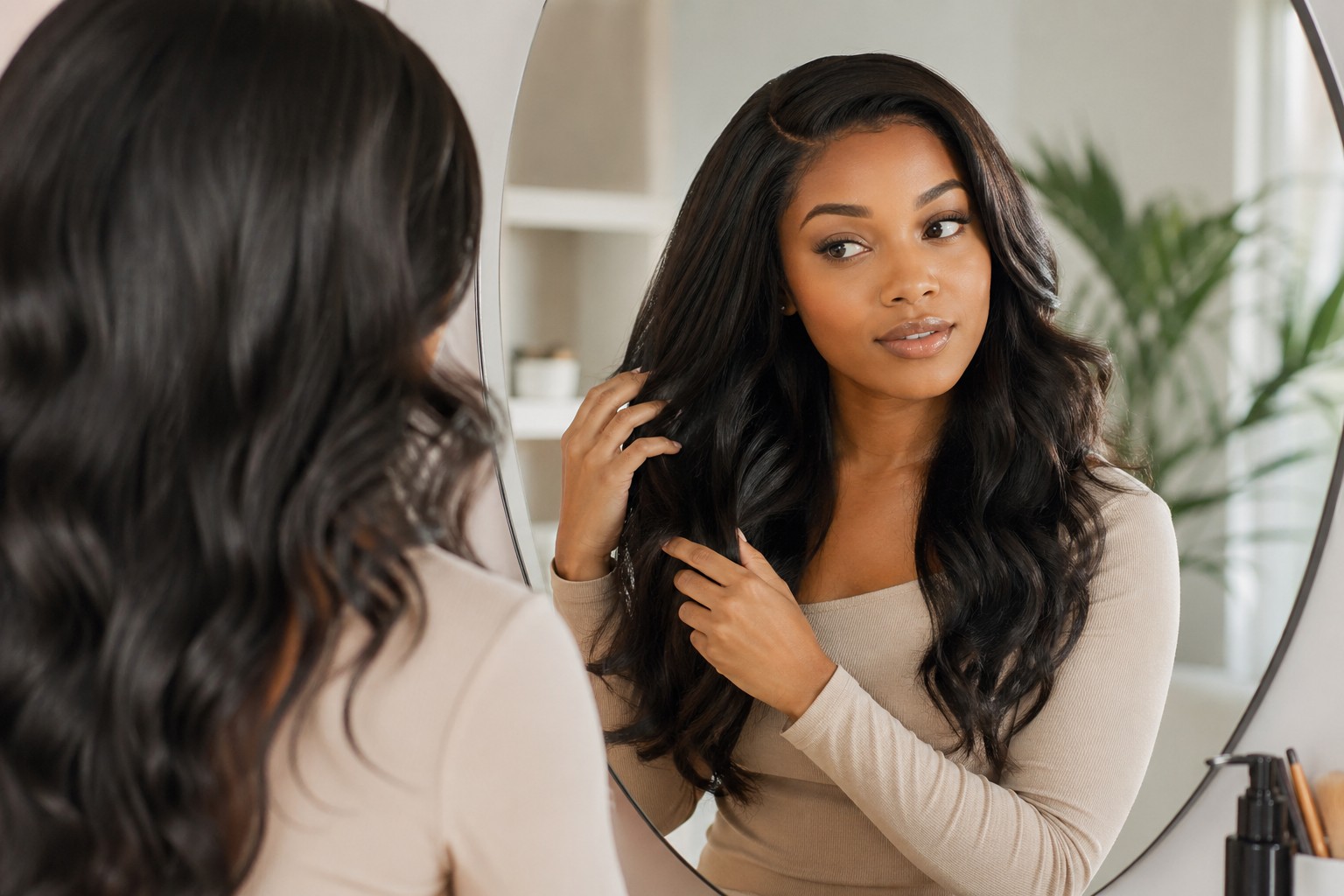
The best approach is to choose a wig that’s secure and doesn’t ask too much of you. Lace front wigs are often a great choice for beginners because they look natural without being complicated. The lace at the front creates a realistic hairline, while the rest of the cap gives the wig its structure. They’re less fiddly to position and adjust than more complex types — a big advantage when you’re starting out.
Synthetic wigs are great for beginners because they come pre-styled, so you don’t need to curl or style them. The style holds even after washing, which makes every day simple and predictable — ideal if you don’t want to use extra products or spend time styling.
Glueless wigs remove what many beginners find hardest: applying adhesive. They stay in place with adjustable straps, combs or a band instead, so they’re quicker to put on and take off — a really practical option if you want something easy.
Headband wigs are among the easiest to start with. There’s no lace to deal with and no need for precise placement — you simply put it on and secure it with the headband. The hairline isn’t as natural as a lace front, but the easy application is a big plus for beginners.
Short and medium lengths are easier to manage. They tangle less, need less care and are more comfortable to wear all day, which makes the whole experience smoother when you’re starting out.
Some wigs are best saved until you have more experience. Full lace wigs, for example, are incredibly versatile for styling, but they’re harder to fit well and need much more care.
Without practice, they can be a lot to handle. Very long wigs can also be fiddly, as they tangle more easily and need more attention. Avoid anything that relies heavily on glue or complicated application methods — these take time to learn and can be frustrating at first.
A simple first wig builds your confidence instead of presenting problems you’re not ready for.
Choosing your first wig depends on your lifestyle, your hair goals and how much time you have. The Hairporium AI Stylist weighs all of these to give you a personalized answer.
Find your style free →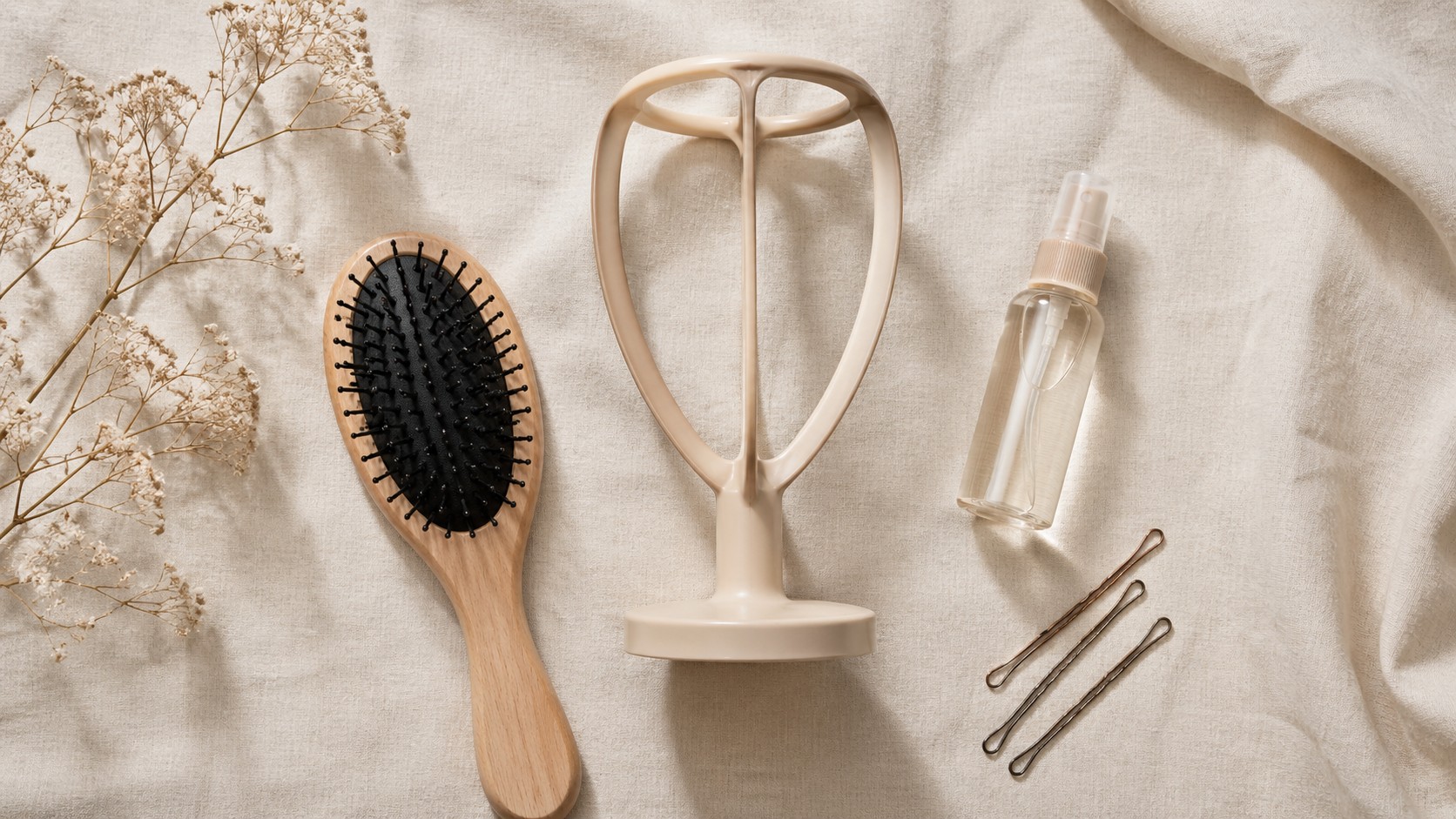
Once you have a beginner-friendly wig, a few small adjustments can make a real difference to how it looks and feels.
Keep the look natural rather than overdone, make sure the fit is right before worrying about the style, and avoid heavy products that flatten the hair.
Make small changes rather than constantly fiddling. If you’re wearing a lace front wig, take a little time to blend the edge of the lace with your skin.
These steps improve the overall effect without needing professional skills. At this stage, you’re getting used to wearing a wig, not perfecting the style.
A straightforward routine makes everything easier. A beginner wig shouldn’t need much upkeep.
Synthetic wigs are very easy-going because they hold their shape. Lace fronts need a little more attention but are still manageable with a simple routine.
Wash your wig occasionally and handle it gently to keep it in good condition.
Store it properly so it keeps its shape between wears — ideally on a wig stand. The simpler your routine, the more likely you are to stick to it.
In short, the best wig for a beginner isn’t the most complex one; it’s the one that feels easy, stays put, and isn’t a struggle from the moment you put it on. Synthetic, lace front and glueless wigs are usually the most sensible choices.
They look great without needing many extra steps. As you grow more confident, you can explore other styles and more versatile types. But to begin with, simplicity matters more than anything else. When a wig is easy to wear, everything else falls into place.
Lace front wigs, synthetic wigs, glueless wigs, and headband wigs are all excellent choices for beginners. Headband wigs are the simplest to put on, while lace front synthetic wigs offer the best balance of a natural look and ease of use. The most important quality in a beginner wig is that it goes on securely without complicated techniques.
For most beginners, synthetic wigs are the better starting point. They come pre-styled and hold their shape after washing, so you do not need to style them daily. Human hair wigs offer more flexibility but require regular styling and more careful maintenance — which adds complexity at a stage where simplicity matters most.
Not at all. Glueless wigs are specifically designed to stay on without adhesive, using adjustable straps, combs, or a built-in headband instead. For beginners, glueless styles are highly recommended because they are quicker to put on and take off, and they eliminate the learning curve that comes with adhesive application.
A simple routine is all that is needed. Wash the wig occasionally using gentle products, handle it carefully when brushing, and store it properly — ideally on a wig stand — so it holds its shape when not in use. Synthetic wigs are low maintenance because they retain their style without restyling. The simpler your routine, the more consistently you will stick to it.
Choosing the right hairstyle depends on more than just face shape. Hairporium AI Stylist analyzes your lifestyle, preferences, and hair goals to generate personalized recommendations that actually suit you.
Start your free AI hair consultation →Takes you to hairporium.ai — free, no sign-up required