One of the most misconceived aspects of purchasing a wig is its density, and one of the main reasons wigs appear unnatural is their density.
The majority of people are concerned with length, color, or style. However, density is what makes the wig look realistic once it’s on. Too little, it is either shallow or sparse. Too much, and it begins to look clumsy, cumbersome, or too unnatural.
Here is where the majority of purchases fail. A wig may be the best in pictures but the exact opposite in real life, since its density does not match your face, proportions, or expectations.
When you are trying to decide how much wig density to wear, it is not about which number is the best to wear, but rather what wig density will fit your face, your lifestyle, and how you actually intend to wear it. That is what makes the difference between something that works every once in a while and something that you have to use every day.
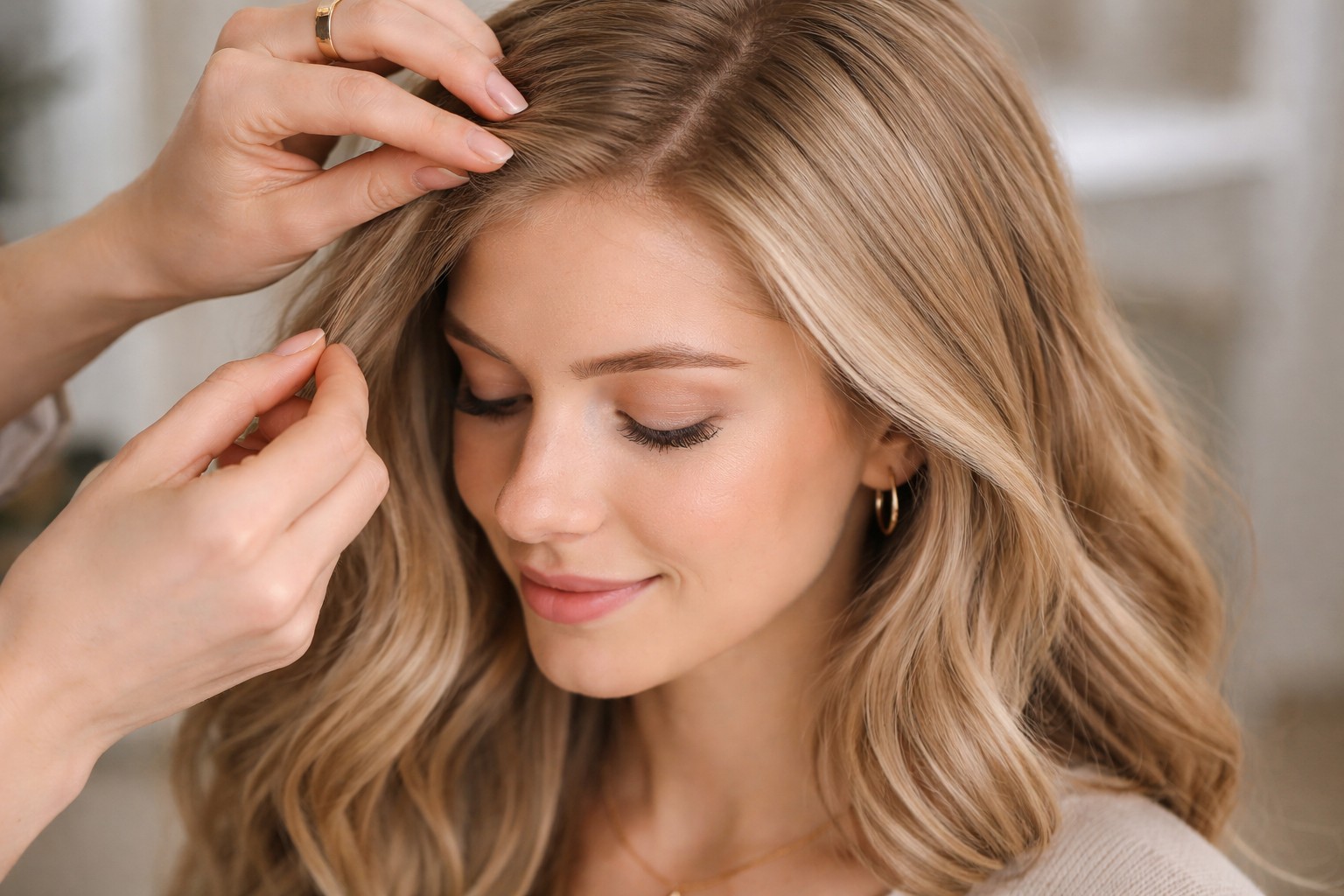
The amount of hair added to the wig cap is known as the wig’s density. It is often expressed as a percentage; however, this value can only make sense when compared to actual hair.
Density determines the fullness of the wig from the roots to the ends, but more importantly, it determines the wig’s behavior.
Actual hair is not evenly distributed. It is lighter at the hairline, a bit thicker in the middle, and natural. Wigs that do not consider this can become too perfect, which is usually what makes them appear fake.
When you decide the density of the wig, you are not deciding how much volume it will have; you are deciding how natural or prominent it will be in actual use.
Light density follows the appearance of naturally small or finer hair. It is also more attached to the scalp and is rather free, making it one of the most realistically viable daily-wear items. It is particularly effective when you want to be subtle. The wig does not attract attention, and it is more like natural hair in motion.
The restriction is volume. When you are not ready to go the extra mile (or style) in your appearance, light density may leave you unsatisfied. This is an excellent choice for impact rather than realism.
The majority of people should begin with medium density. It has just enough fullness to seem deliberate without being overbearing.
It can be used on various lengths, it does not need to be repeatedly adjusted, and it can even appear natural, both styled and unstyled. This is a safe and usually the most adaptable range in case you are uncertain about the density of the wigs.
It gives you space to work with your style without having to deal with too much of it.
Dense wigs are considerably fuller. They are more dramatic and hold volume well, especially in styled or occasion-based wear.
However, there are trade-offs attached to them. They weigh more, require more maintenance, and can appear unnatural unless the hairline or distribution is done effectively. They also do not look like natural hair unless styled.
Best when you desire impact and are prepared to pay the price.
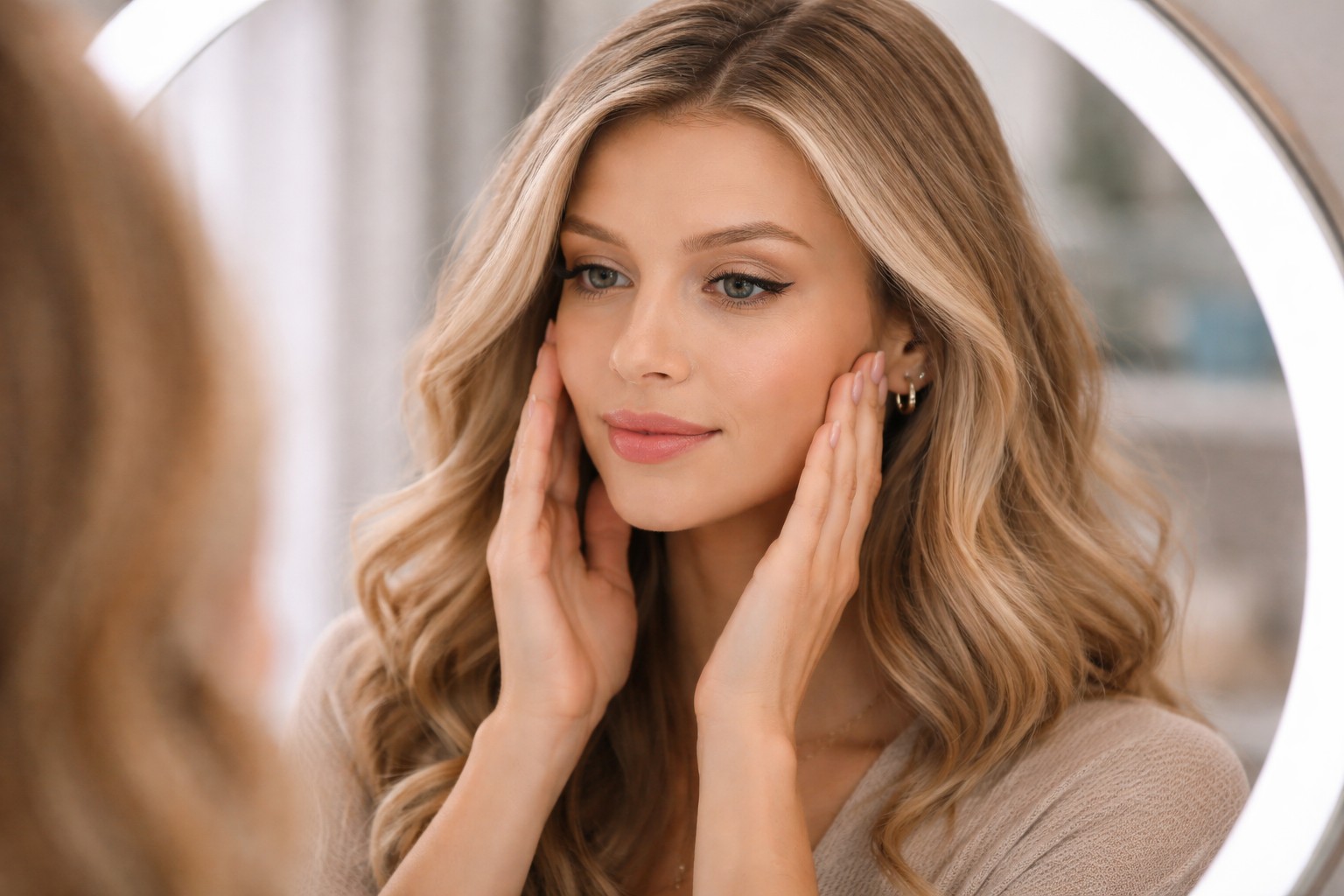
Density not only shapes the wig but also affects how your face is perceived.
If you have a smaller, more delicate face structure, it can be crowded out by high density. The wig can seem excessively heavy, even though the style itself is right. When your face is all around, or you want more presence, then slightly higher density can be good, but only to a point. Excessive density will cause an imbalance.
The purpose of picking the wig density is proportion. The wig should not outshine your face. It is here that most of the mistakes are made: the decision is made upon appearance rather than the interaction between it and your features.
The reason why length and density have to be looked at together is that. Density and length are directly related, yet most people separate them. Long wigs are very full-looking naturally. High density added over them usually makes the wig too heavy and less natural.
Short wigs, conversely, are able to hold a little greater density as the volume is contained.
That is why the same density may seem harmonious on a short wig and excessive on a long wig. Always remember the length when choosing a wig density. This is one of the most typical mistakes one can make.
Your face shape, proportions and lifestyle all affect which density will work best. The Hairporium AI Stylist gives you a personalised recommendation. Free, no account needed.
Get my wig recommendation →
The most widespread pitfall is the belief that higher density is preferable. It can seem like a high-end option, although in reality, it is among the quickest methods of making a wig look unnatural.
The other problem is focusing on total density rather than on distribution. Even with the right percentage, a solid, dense hairline instantly destroys realism.
Also, there is a discrepancy between expectation and usage. A dense wig may look fantastic when styled, but it is not a viable option in the real world.
Lastly, some people are not aware of how noticeable density is in motion. A wig may suit well in a still position, but it acts unnaturally the moment you start moving.
What this choice would look like once you start wearing it. This difference becomes evident after a few days, not at the point of purchase.
When you pick the wig density right: the wig is weighty, it moves naturally, and it does not need continual readjustment. When the density is incorrect: it is too heavy or too flat, you keep adjusting it, and it appears different depending on lighting and angles.
You do not see this at first; you see it when you begin to live with it.
Think practically before deciding anything, before taking numbers into account.
Light to medium density is normally beneficial for day-to-day use as it is easy to handle.
A dense wig needs to be more controlled to appear natural.
This is where the majority of people fail.
Selection based on photos gives conflicting expectations. It is more productive to select based on how it will work in your life.
It is all about balance when selecting wig density. It is not the fullest or the lightest option; it is the one that fits your proportions, is compatible with your routine, and looks natural without constant correction.
When you begin to think in this way, you stop focusing on density points and begin to make decisions that actually work in practice.
The Hairporium AI Stylist analyses your face shape, lifestyle and preferences to recommend the right wig density for you. Free, no account needed.
Start your free hair consultation →