It appears easy to select the wig length until the time you wear it. What seems to be a well-balanced product in a photograph may be heavy, too short, or even uncomfortable when worn. It is not the style that most people can't get right; it is that they don't consider proportion, movement, and daily use.
The length of your wig influences how your face is framed, your overall proportions, and the effort required to maintain it. A length that does not fit these factors will require constant adjustment— readjusting, redoing, or not wearing at all.
If you're trying to determine the right wig length beyond first impressions, this guide will help you think through the choice. This is not about trends, but something that works in the real world.
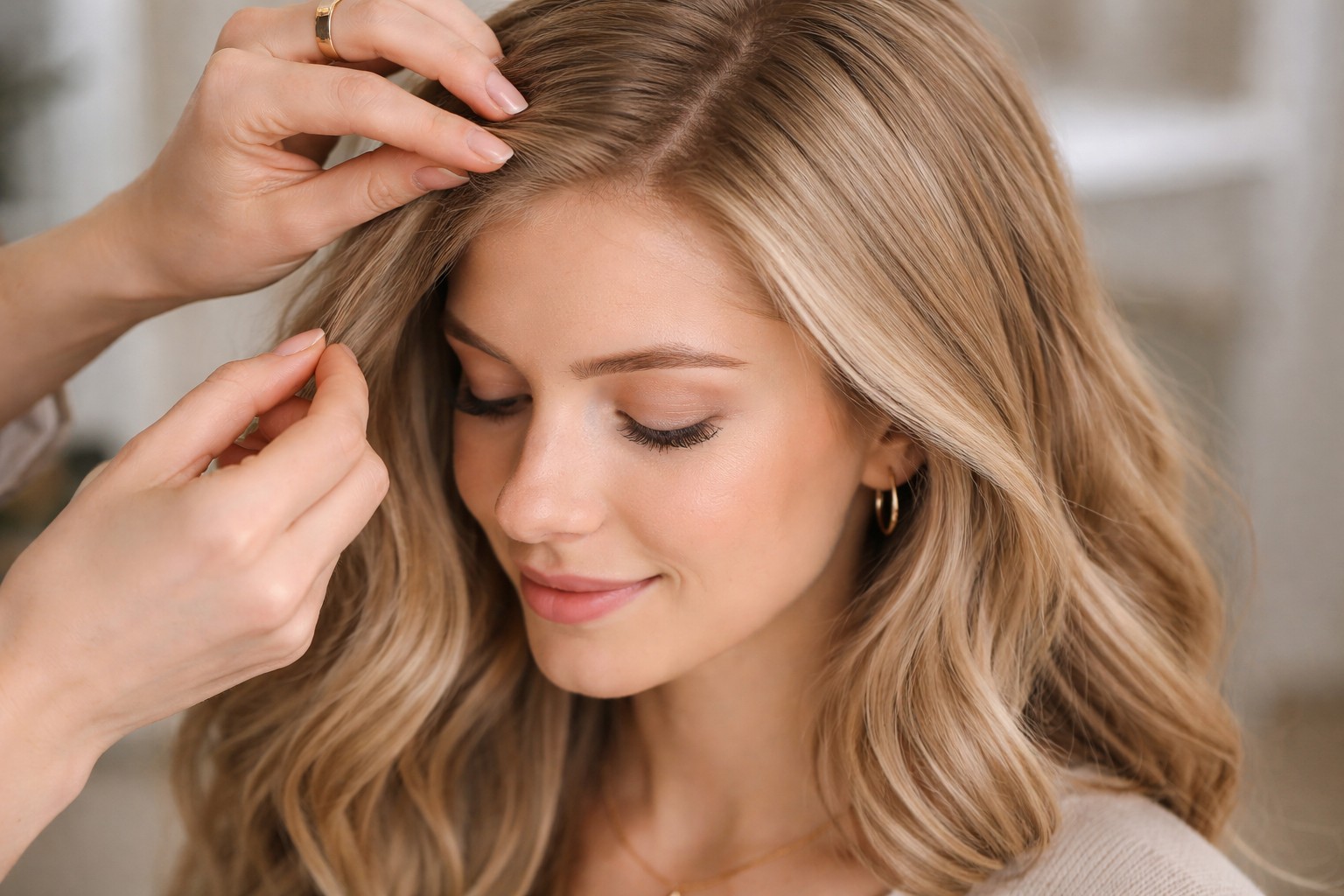
The length does not just affect appearance, but it also affects perception.
Shorter wigs reveal more of your features. Longer wigs attract attention downward, and they create more visual impact. Your choice of length will be determined by whether you have features that are balanced or highlighted incorrectly.
It also affects the wig’s naturalness. Extremely long wigs may sometimes appear less realistic when it comes to the density, texture, and movement. Very short wigs, however, don’t leave room to conceal the flaws in fit or hairline.
That’s why length should be a structural choice and not merely a fashion.
Short wigs are simple, neat, and easy to maintain. They can be worn with ease every day and require little styling.
However, they come with a trade-off: they reveal everything. The shape of your face, your hairline, the way the wig is made, all these things become more prominent. When the wig does not fit or doesn’t look natural at the front, it becomes very obvious.
This is the most suitable length when everything is precise.
This is the most balanced category. Medium-length wigs provide just the right amount of length without being hard to handle. They are versatile—you can do many things with them without having to spend all the time trying to do it. They are also likely to appear more natural in various places since they are not overemphasized in proportions.
This is probably the best option if you don’t know where to start.
Long wigs make an impression. They add motion and can look more dressed up with the least effort. They require more effort, though more detangling, more upkeep, more attention to density and texture. They also amplify mistakes. When it is not the right length for your proportions, you notice this soon enough. Long wigs are the ones that are best when you are ready to wear them all the time.
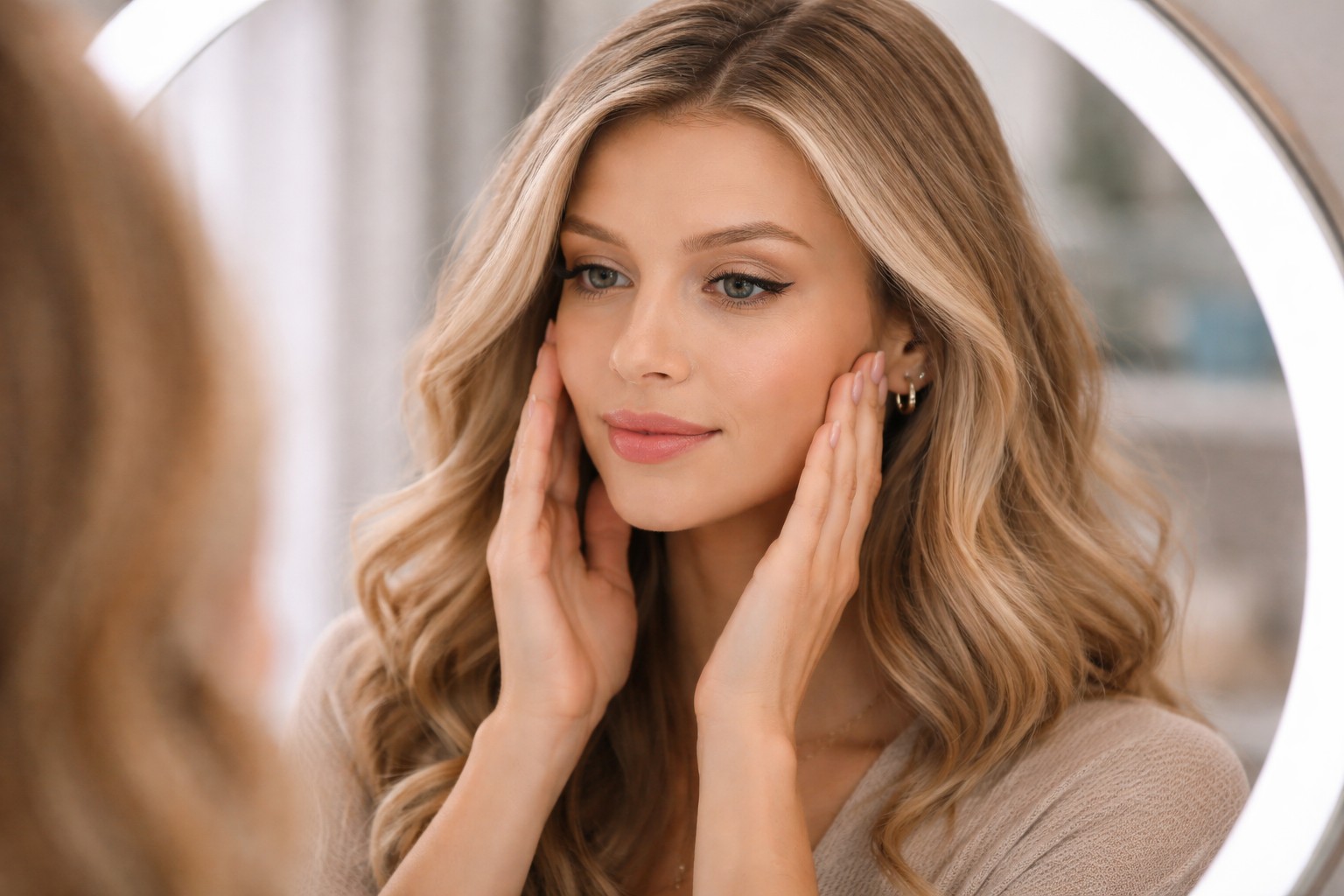
The wig length should not be determined without considering the face shape, as this may create an imbalance. When your face is round, long lines will stretch it, and short cuts will make it wider.
When you have a square-shaped face, avoid lengths that end at the jaw, as longer lengths help soften hard lines. If your face is heart-shaped, medium lengths that provide bulk around the chin are more effective.
When you have a diamond-shaped face, the lengths that add width are best around the jawline. When you have an oval face, you can wear most lengths, which means that the choice has moved towards practicality. It does not have to match a length, but it is important to know where that length lies relative to your features.
This is one of the most ignored factors. The same wig can appear completely different based on the height. The same wig on a shorter frame might feel overwhelming, but on a taller body, it might look like it fits. This does not mean certain lengths are forbidden; it simply means expectations should be adjusted.
When individuals feel a wig is too much or too little, they are usually experiencing a proportion issue rather than a fashion issue.
Your face shape and height are just part of the picture. The Hairporium AI Stylist factors in your lifestyle, preferences and goals to give you a personalised wig recommendation.
Find my perfect wig →
A common mistake is choosing based on someone else or making a choice based on the surface. A wig may look really good when photographed, but act differently when used, especially longer ones that require maintenance.
The other problem is underestimating effort. Longer wigs may look attractive, but require more care than anticipated. They soon lose their shape and realism without such maintenance. The tendency to be too extreme too fast is also there. Very long or very short lengths are also a source of risk of a mismatch since jumping directly to either of these lengths.
Finally, individuals fail to consider where length falls. When it stops at the broadest or most acute part of your face, it will stress the parts unwittingly.
The benefit is not just that the right wig is good, but it is effective with minimum effort.
With the right choice: it stays manageable, it looks consistent throughout the day, and it doesn’t require constant fixation. With the wrong choice: it feels inconvenient, it must be regularly adjusted, and it turns into the thing you do not want to wear.
You notice the difference later—not when you buy it, but when you actually start wearing it every day.
Before deciding, consider these questions:
Every day use typically demands a practical rather than an aesthetic item.
Longer lengths require more maintenance.
This is what determines whether a decision works. The key to choosing the right wig length is based on three things: your proportions, your routine, and your expectations.
The ideal length is not the one that looks the most impressive, but the one that can be made to fit in your life without hassle while still looking right from all angles.
Once you approach it this way, the choice is more evident and much more dependable.
The Hairporium AI Stylist analyses your face shape, height, lifestyle and preferences to recommend the right wig length for you. Free, no account needed.
Start your free hair consultation →